
Beyond Wetsuits: How Neoprene Composites are Redefining Protection

By Harry  | Technical Specialist | ISO Lead Auditor | March 27, 2026
⚡ Technical Summary & Key Takeaways:
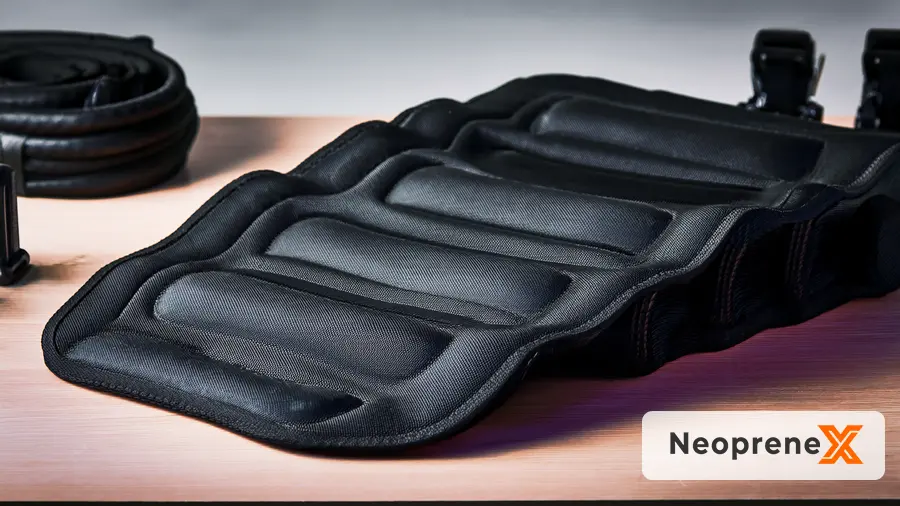
Neoprene is no longer just for the ocean. This technical audit explores the transition of polychloroprene into a high-performance protective platform. Leveraging over 20 years of material engineering experience, NeopreneX examines how the SBR 4-9° Engineering Standard defines structural integrity for tactical gear, medical orthopedics, and high-value electronic protection.
📖 Table of Contents
1.The Engineering Shift: Structural Integrity under Stress
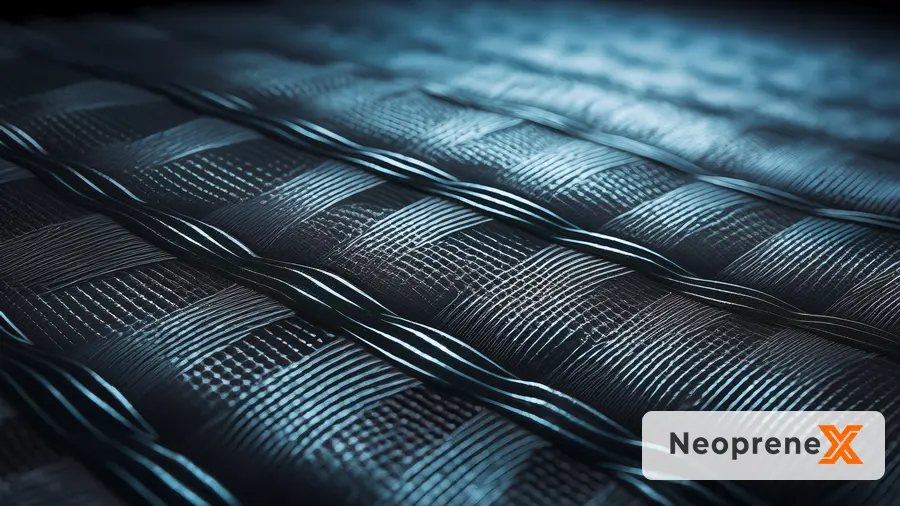
In the traditional wetsuit industry, neoprene is valued solely for its elasticity. However, in the Technical Protection sector, the audit criteria pivot toward a more rigorous baseline. At NeopreneX, we leverage over 20 years of material engineering experience to transform polychloroprene into a high-performance protective matrix. Whether it is a drone carrying case or a tactical knee pad, our engineering goal is “Structural Integrity under Stress”—ensuring the material maintains its protective geometry when the environment demands it most.
2. Tactical & Industrial Gear: The SBR 4-9° Engineering Standard
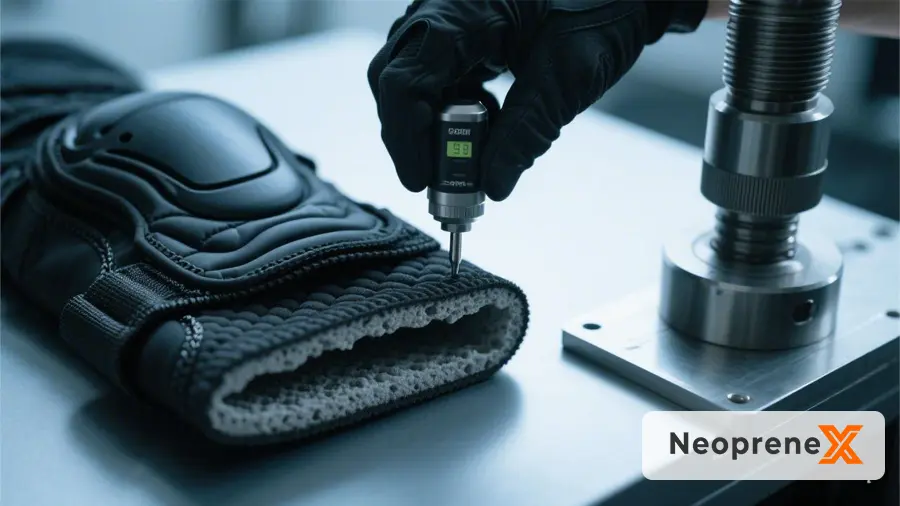
Tactical gear requires more than just “hand-feel”—it demands Impact Attenuation. Our SBR 4-9° Engineering Standard is a proprietary specification defining our Shore A hardness and density compression range for high-stress impact applications.
Compression Recovery: This tactical-grade composite is engineered for holster backings and plate carrier padding that won’t “bottom out” under heavy loads, maintaining a consistent buffer zone and rapid shape restoration.
Tested Stability: Our marine-tested technical composites are validated to resist oil, salt-water, and UV degradation, ensuring long-term reliability for professional industrial bags and offshore-grade gear.
3. Technical Protection: Shielding High-Value Electronics
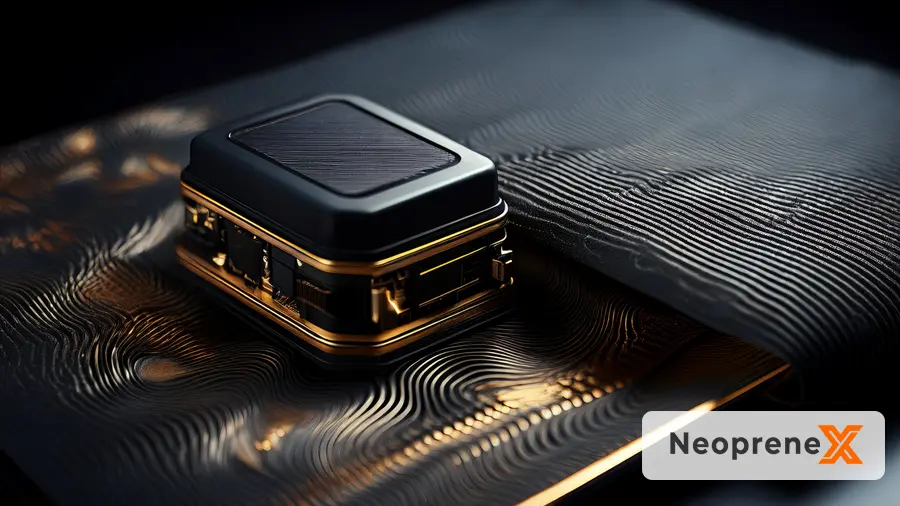
Standard packaging foam is often brittle; standard neoprene can be too soft. Our Technical Neoprene Composites provide “Soft Armor” for sensitive electronics:
Vibration Damping: High-density SBR cores effectively absorb micro-vibrations, a critical requirement for professional camera inserts and high-end transport systems.
Thermal Barrier: The closed-cell structure acts as a thermal buffer, protecting battery-operated gear from the performance drops associated with extreme temperature fluctuations in the field.
4. Medical Orthopedics: Engineering for Skin Safety & Controlled Compression
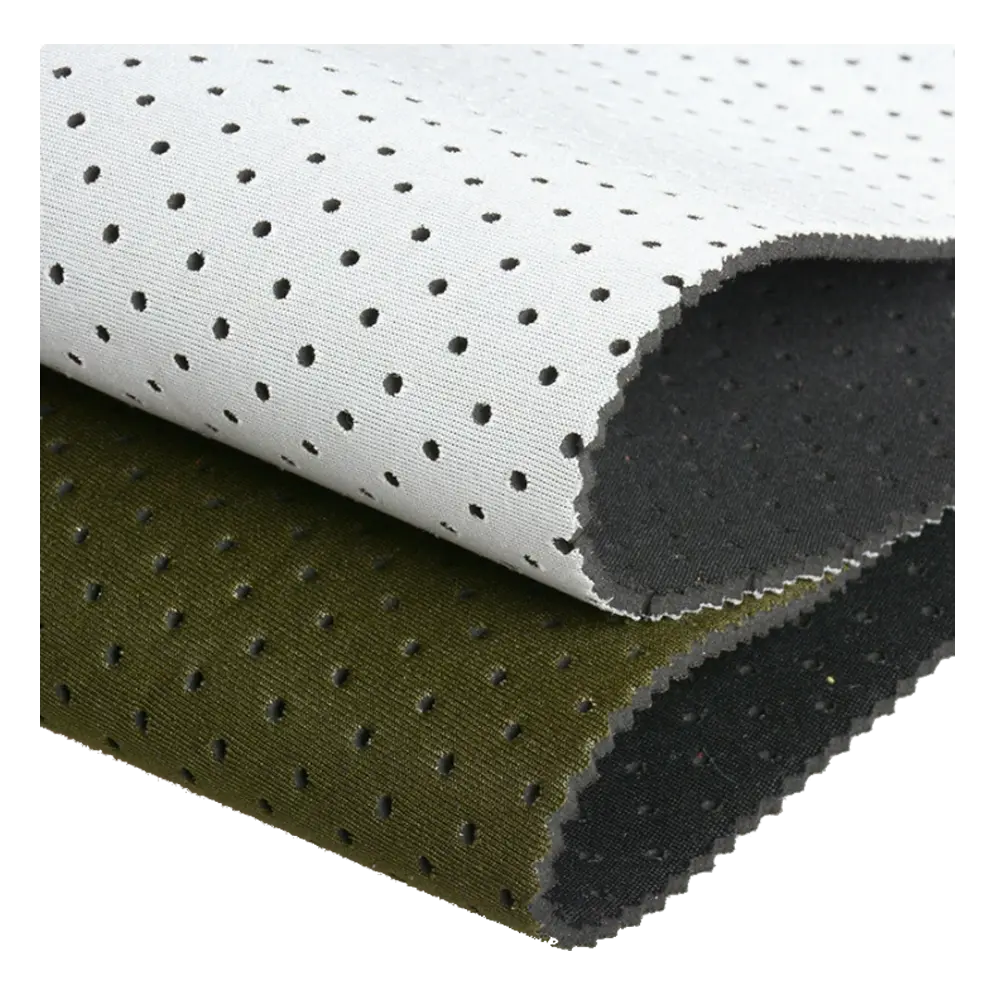
Medical-grade technical fabrics require a sophisticated balance of mechanical support and user safety. For advanced orthopedic applications, we recommend our Neoprene-Free Medical Fabrics to eliminate latex-related risks while maintaining structural support.
Skin Compatibility: We prioritize dermatologically considered formulations for knee and back braces intended for extended wear.
Breathable Engineering: Through high-precision perforation engineering we enable the thermal benefits of compression while managing the moisture vapor transmission required for comfortable, long-term wear.
5. Strategic Partnership: Engineering Excellence for OEM/ODM Projects
The path from material selection to a finished tactical or medical product involves rigorous testing, prototyping, and regulatory alignment. At NeopreneX, we understand that true B2B partnerships are built on long-term stability and supply chain reliability. We don’t just supply fabric; we act as a technical extension of your R&D team. From initial material validation to large-scale production, we ensure that every batch of SBR 4-9° composite meets the exact specifications audited during the prototyping phase, supporting high-margin brands through professional OEM/ODM collaboration.
Effective protection for high-value gear starts with material density. See how we apply these engineering standards in our Custom Neoprene Laptop Sleeve Case Study.
Frequently Asked Questions
- The SBR 4-9° is a proprietary NeopreneX specification defining our Shore A hardness and density compression range. Unlike standard flexible neoprene, this standard ensures a high-density core specifically engineered for impact attenuation, preventing the material from “bottoming out” under tactical or industrial loads.
- Our technical composites are marine-tested to withstand prolonged exposure to UV radiation, salt water, and industrial oils. By auditing the lamination bonding strength and the closed-cell integrity of the SBR core, we ensure that our “Structural Armor” maintains its protective geometry even in harsh offshore conditions.
- Yes. For orthopedic and medical support gear, we prioritize skin compatibility. While we offer high-performance SBR composites, we also recommend our Neoprene-Free Medical Fabrics for applications where latex-related sensitivities are a concern, ensuring a balance of mechanical support and user safety.
Absolutely. As a technical extension of your R&D team, we can adjust the SBR/CR ratio and lamination layers to meet specific vibration damping needs for high-value electronic cases or professional camera inserts, ensuring 4K-resolution finish and hand-feel.
True B2B material engineering is a meticulous process. We typically engage in a comprehensive audit phase including material selection, prototyping, and performance validation. Depending on the complexity of the tactical or medical gear, the timeline from initial sampling to large-scale production usually spans 6 to 12 months to ensure consistent quality.