By Harry  | ISO Lead Auditor| May 2, 2026

20 Years of Technical Neoprene Expertise | Managed by a Registered ISO Auditor
By Harry | ISO Lead Auditor| May 2, 2026
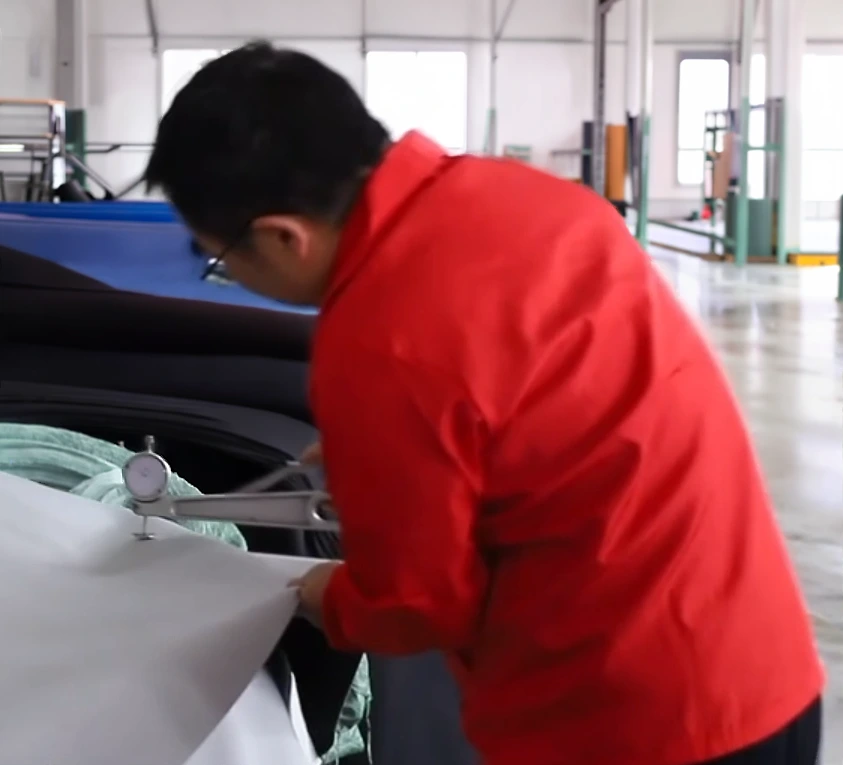
For 24 years, I’ve walked through neoprene factories with an ISO 9000 checklist in one hand and a thickness gauge in the other. I’ve seen “premium” stamped on rubber that smelled like a chemical spill, and I’ve watched buyers lose their margins because they went for the cheapest sheet.
So let’s cut the BS. The word “premium” in Premium Neoprene Fabric has been beaten to death. Every supplier claims it. Few deliver it. Here’s what I actually check — not marketing fluff, but the engineering shit that makes a wetsuit or a medical brace last.
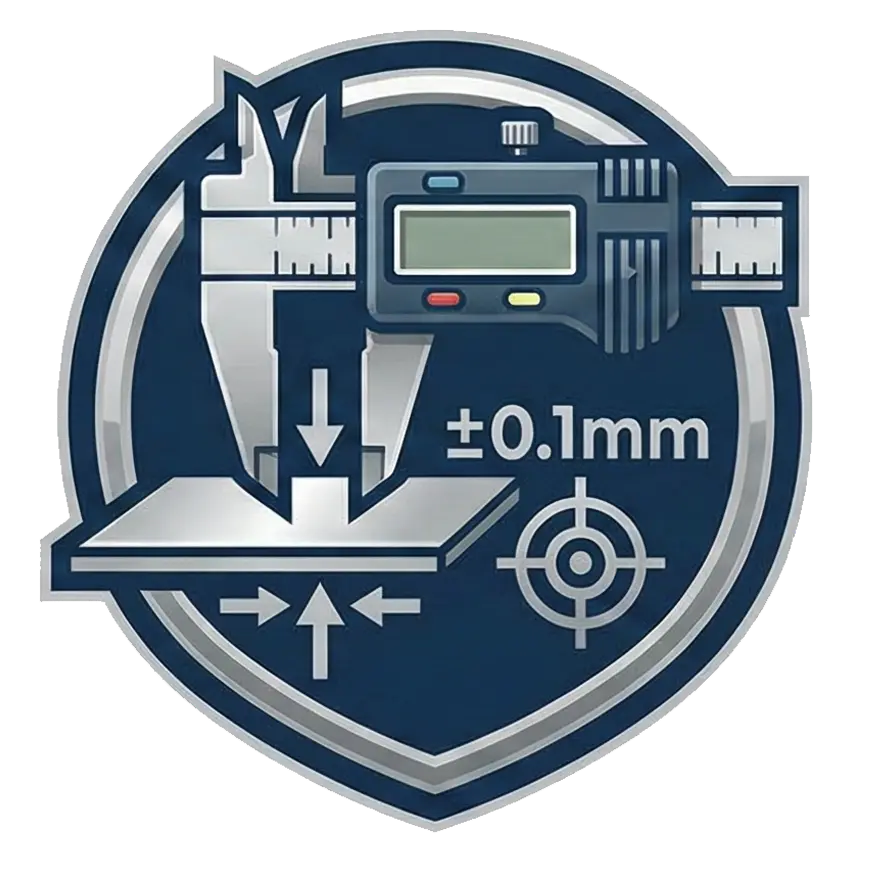
Most factories hold ±0.5mm thickness tolerance. They call that “standard.” I call it a seam failure waiting to happen.
Why? Because when your sheet wobbles by half a millimeter, your sewing machine can’t keep up. One panel is thicker, the next is thinner — the presser foot pressure and thread tension go out of sync. You get that ugly little ridge where two panels meet. I call it the step effect. It rubs against skin in a wetsuit. It looks like a snake crawling under the fabric in a brace.
At ±0.1mm, that ridge disappears. No step. No friction. No visual mess. That’s what I audit for. If a supplier can’t show me a tolerance report with 0.1, I walk.
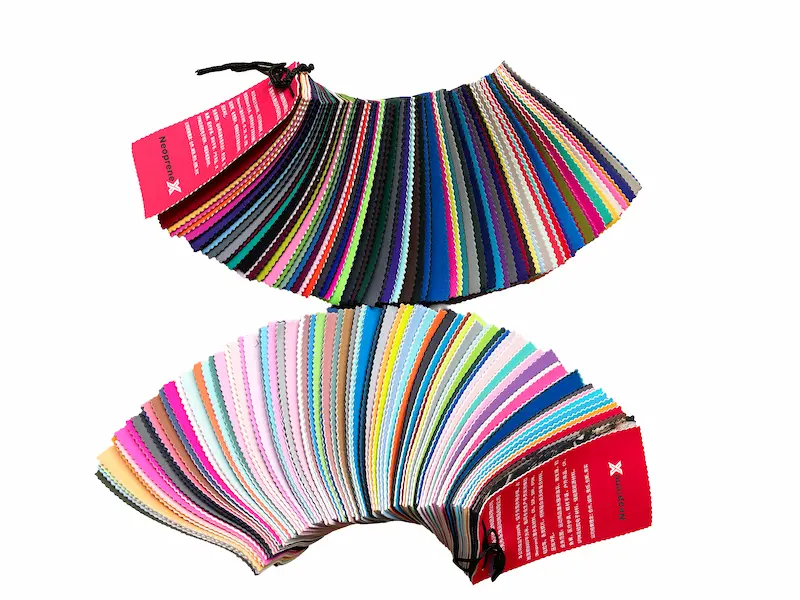
I’ve had buyers send me photos: “Look, this neoprene looked amazing in the sample. Two weeks in the sun, three dips in the pool — now it’s a faded mess.” So what do I demand? Real standards. I want the test report for ISO 105-B02, E03, and X12. All at Grade 4.0 or higher. A premium product holds its color one year later. Period.
You know that sharp, headache‑inducing smell from some neoprene? Cheap reclaimed rubber + poor vulcanization = high VOCs.
If I open a shipping container and my eyes water, I reject it on the spot — no lab test needed.
My rule: Low-Odor Protocol means you can put the finished product in a sealed retail box, and the customer doesn’t gag when they open it. Also 100% latex-free — non-negotiable for skin-contact gear.
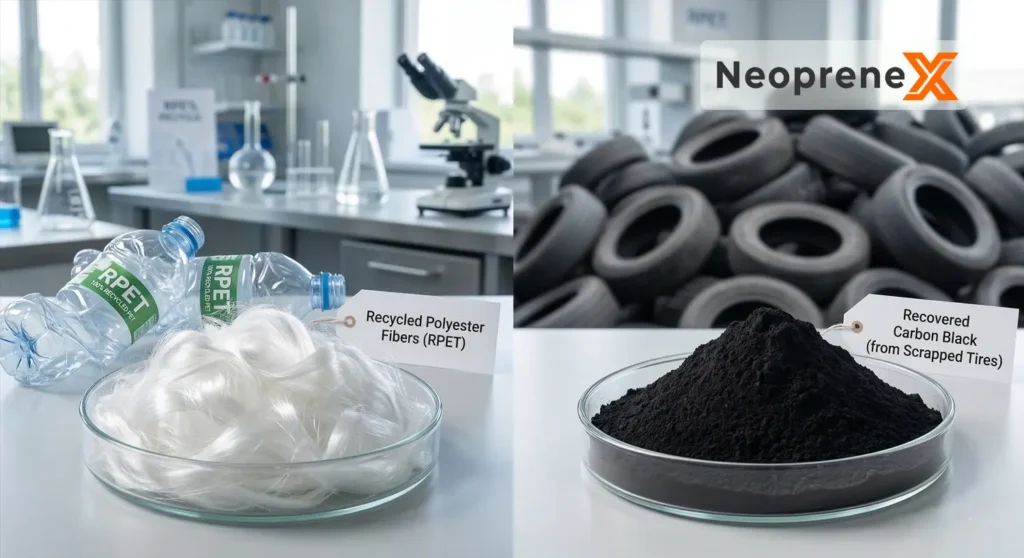
Everyone wants sustainable neoprene now. Great. But I’ve seen recycled material that delaminates after three months. That’s not green — that’s garbage.
So I invented my own benchmark. Call it the 92/88 rule:
I don’t care how many trees you say you saved. If your eco‑neoprene loses strength, it’s not sustainable — it’s a return label.
Premium isn’t a word you print on a datasheet. It’s a set of numbers you can put your hands on: ±0.1mm. ISO 105 Grade 4.0+. VOC-free. 92/88.
If you’re tired of suppliers who talk big and deliver small, go look at NeopreneX’s Technical Specifications. Or better — call our Engineering Team and ask for the audit reports I personally checked.

NeopreneX
NeopreneX is the international brand & export manufacturing division of Dongguan Flame Bright Sports Products Co., Ltd.
Factory Address: Room 301,Building 1,No.102,Chashan Jinshan Road,ChashanTown,Dongguan City,Guangdong Province.China.523000
Privacy Policy |© 2026 NeopreneX.
All Rights Reserved.