
How to Choose the Right Neoprene Thickness for Your Application
By Harry  | ISO Lead Auditor| June 10, 2026
“Thicker is stronger” is one of the biggest myths in neoprene sourcing. In reality, picking the wrong thickness can ruin your product’s feel, increase production costs, and even break your sewing machines.This guide gives you a practical, no‑fluff method to choose thickness based on your final product, not on guesswork. You will learn:
What Does “Thickness” Really Mean for Neoprene?
Neoprene thickness is measured in millimeters, but two things often cause confusion:
1. Nominal vs. actual thickness
A “3mm” sheet from one supplier might measure 2.7mm, while another gives you 3.2mm. The industry tolerance is typically ±0.3 to ±0.5mm unless specified.
→ For tight‑fit products (laptop sleeves, orthotic braces), always put ±0.2mm tolerance in your purchase order.
2. Thickness changes after lamination
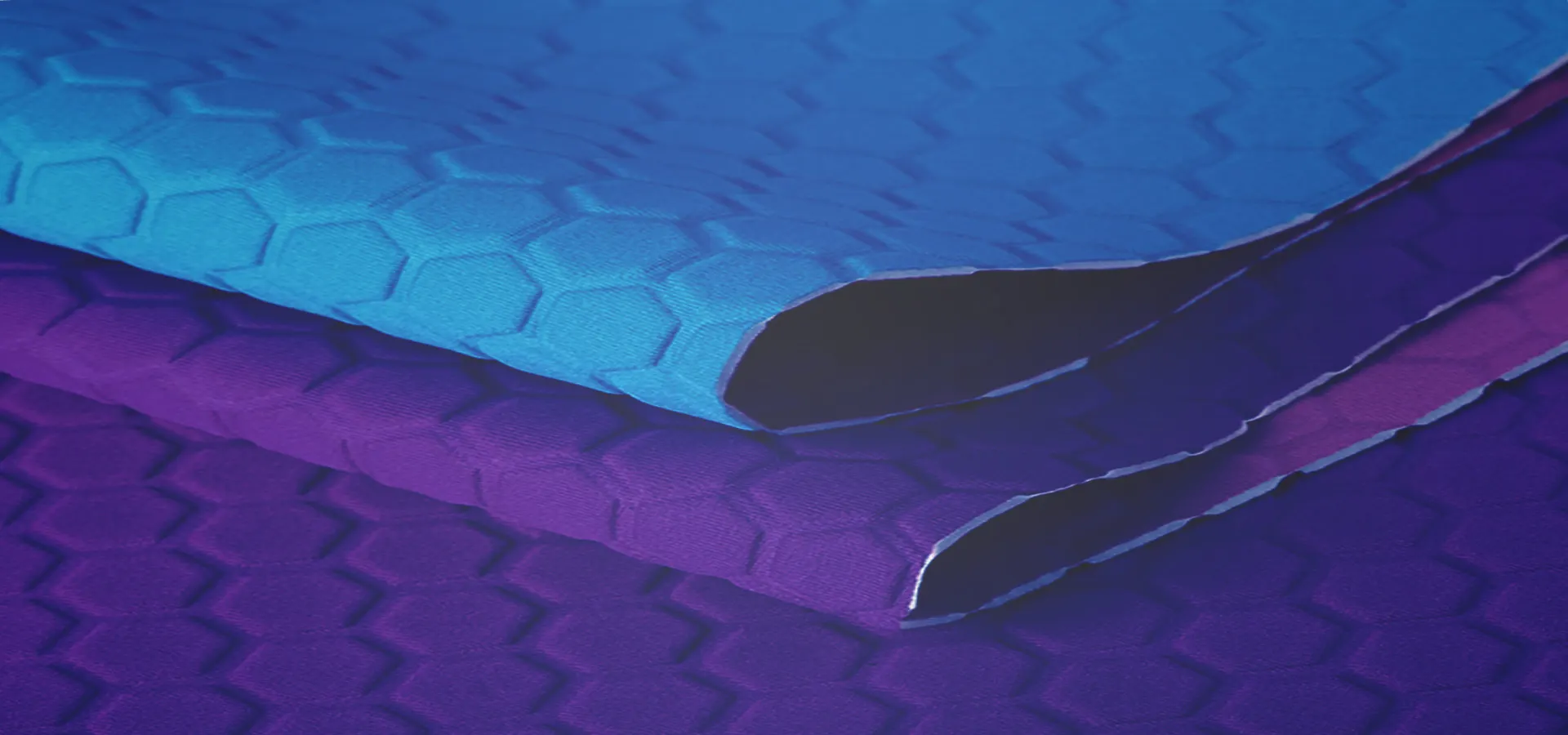
Adding nylon or polyester fabric adds 0.1–0.3mm. But low‑quality lamination can also create uneven spots.
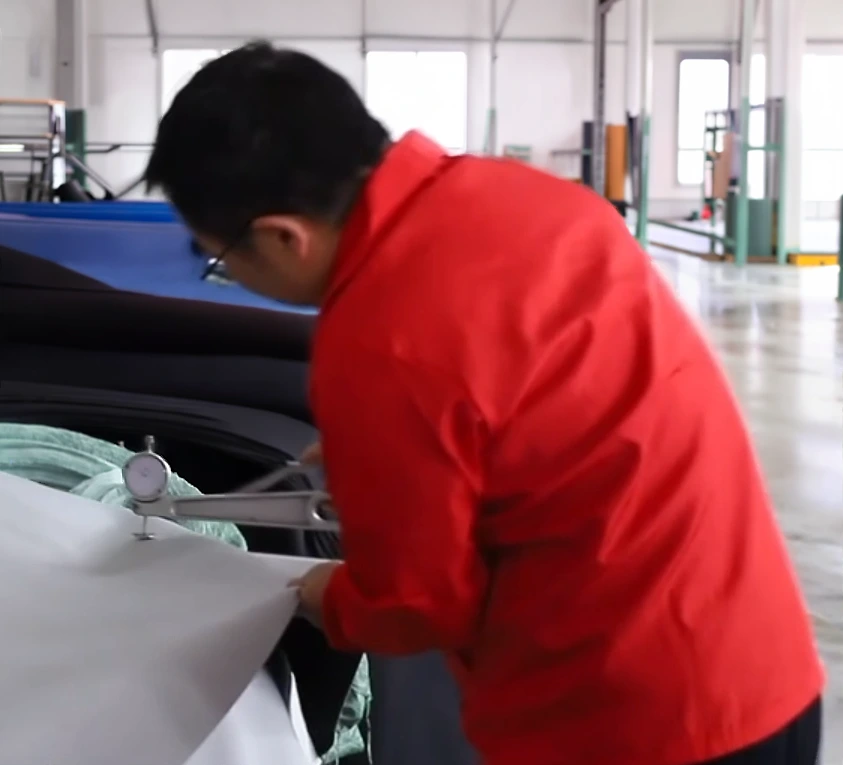
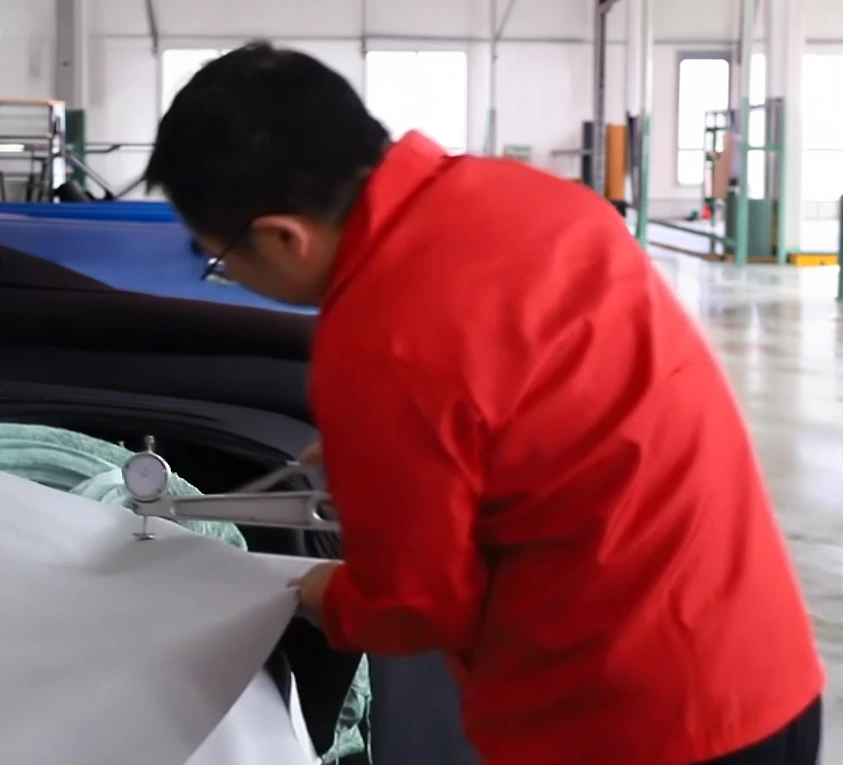
→ Measure the final laminated sheet, not the raw foam.
Thickness Comparison Table – At a Glance
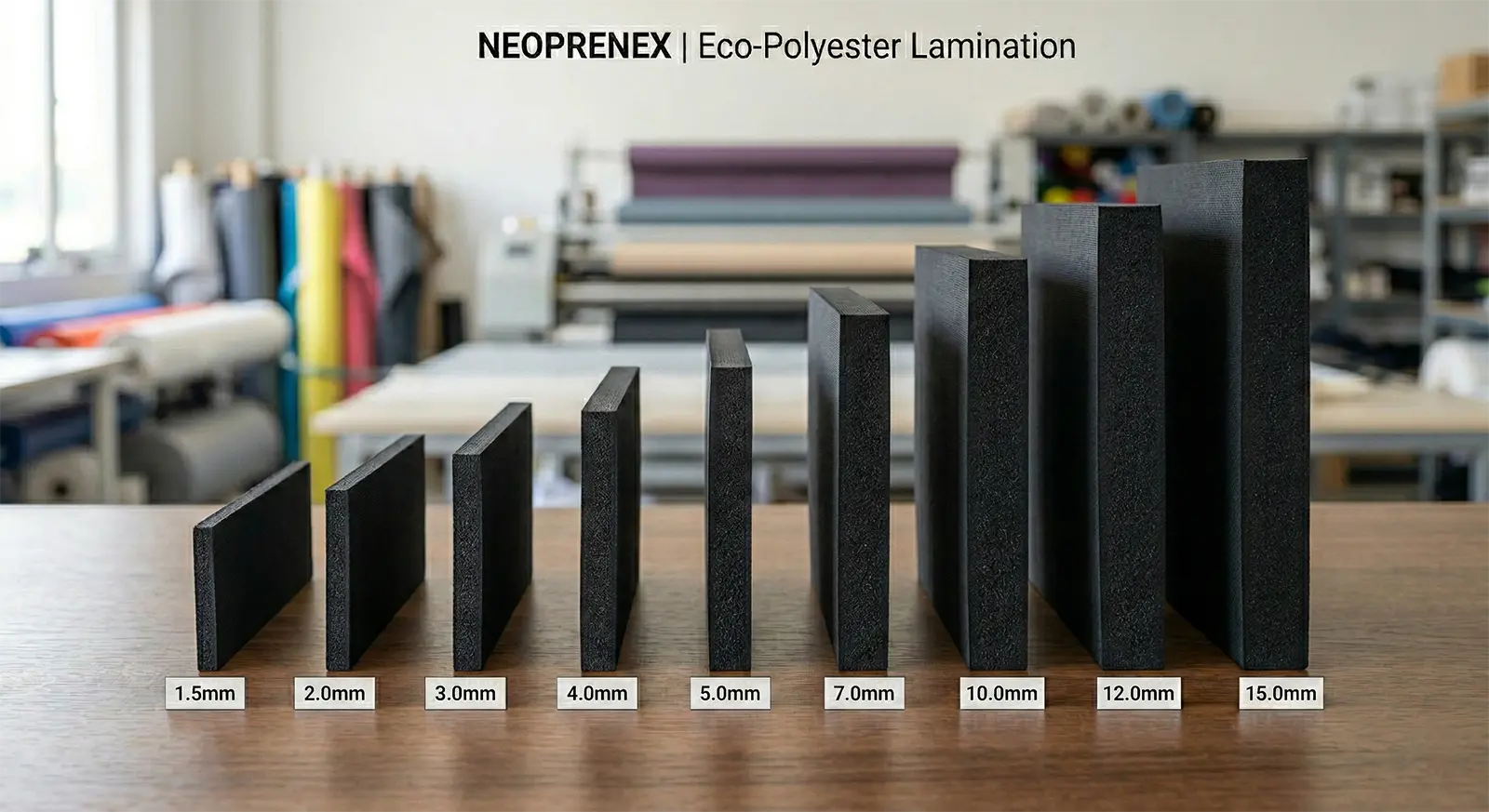
Cost note (estimate): Thicker material costs more per sheet, but also increases shipping volume. A 5mm roll takes up about 60% more space than 2mm for the same area.
How Thickness Affects Product Performance
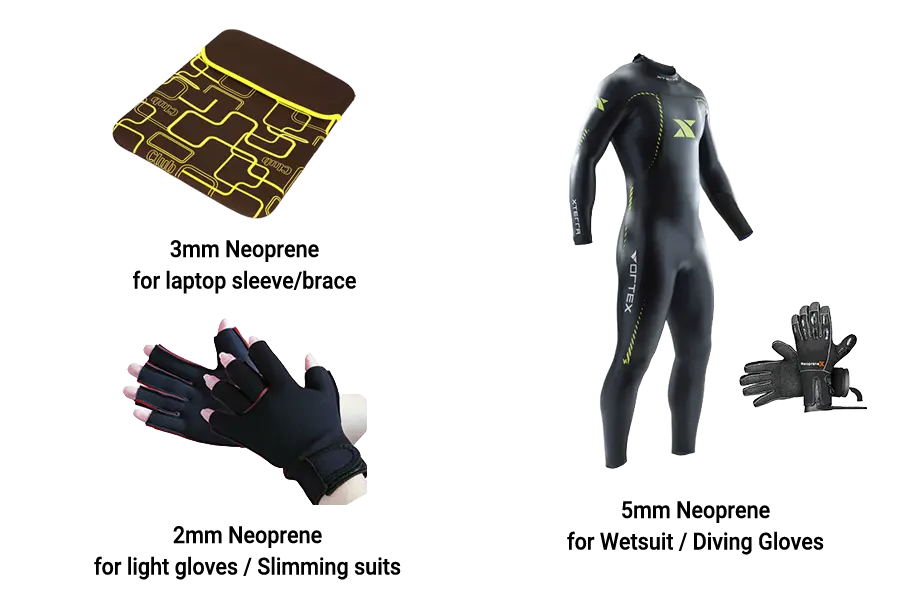
Flexibility and fit
Thinner neoprene bends easily around curves and corners.·
Cushioning and impact protection
Thermal insulation
Durability (not what you think)
Thicker neoprene is not automatically more durable. Density matters more. A high‑density 3mm sheet can outlast a low‑density 5mm sheet under repeated compression.
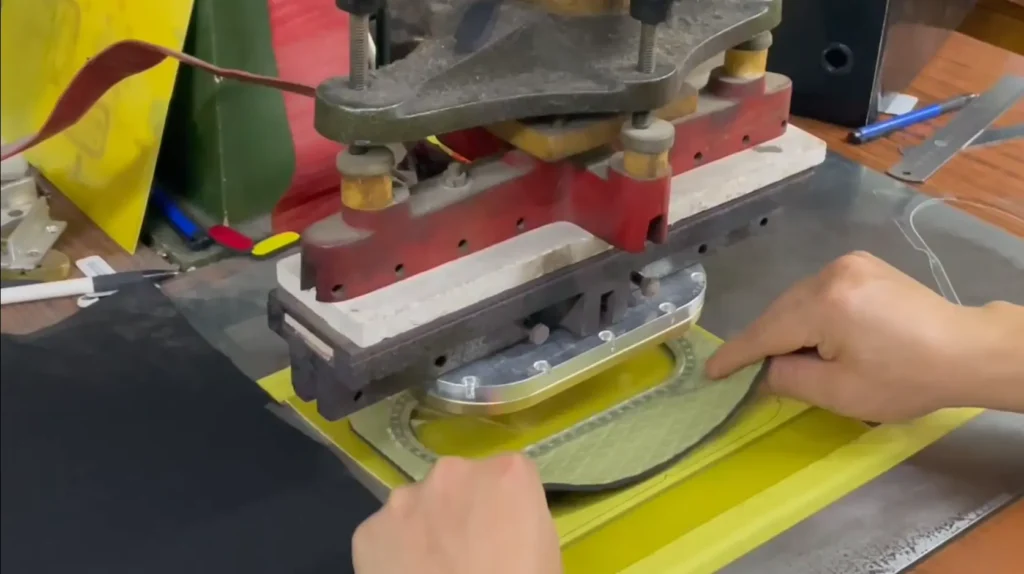
How Thickness Affects Production – What OEM Buyers Don’t See
Thickness Decision Flowchart (Text Version – Easy to Turn Into an Image)
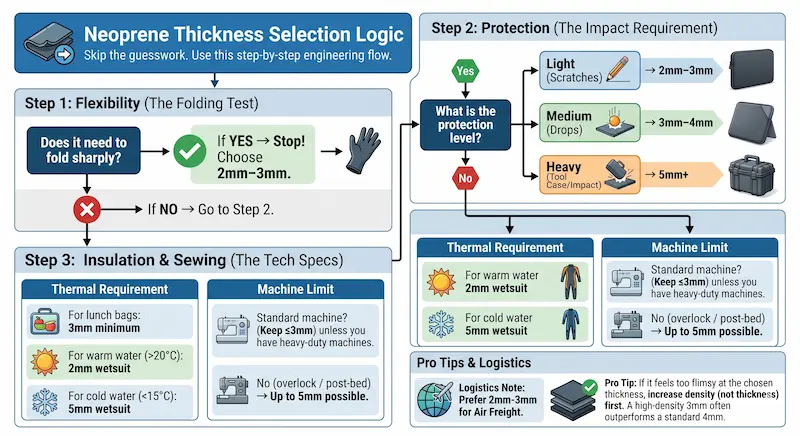
Use this step‑by‑step logic:
Final sanity check: If your product feels too flimsy at the chosen thickness, increase density (not thickness) first. A high‑density 3mm often outperforms a standard 4mm.
Common Thickness Mistakes (and How to Avoid Them)
Conclusion – Start With Thickness, Then Refine
Thickness is the single most important decision when sourcing neoprene – but it is not the only one. Once you pick a thickness, fine‑tune with: