
Neoprene Applications by Industry: Where Neoprene Fabric Is Used
By Harry  | ISO Lead Auditor| June 14, 2026
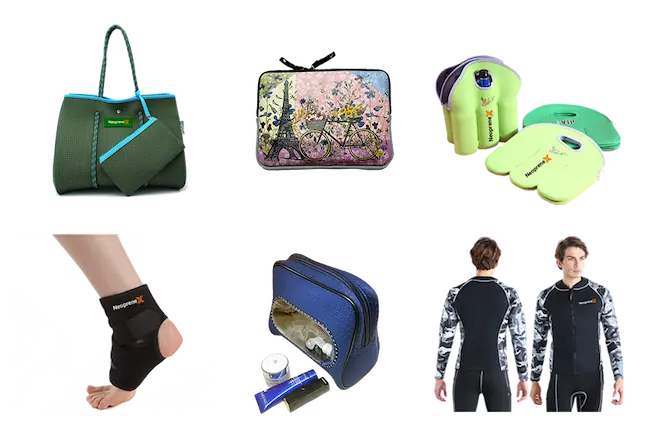
Neoprene is not a single material – it can be soft and flexible for a laptop sleeve or firm and dense for an industrial pad. The key to sourcing correctly is to start with the end product’s environment and performance needs.
This guide covers the most common industries that use neoprene, and for each we explain:
- Why neoprene is a good fit
- Typical thickness and surface fabric choices
- What can go wrong if you pick the wrong structure
For suppliers: This page is designed to be a reference that bag makers, sports equipment brands, and medical device companies can link to. The tables and industry notes make it quotable.
What Makes Neoprene Suitable for Many Industries?
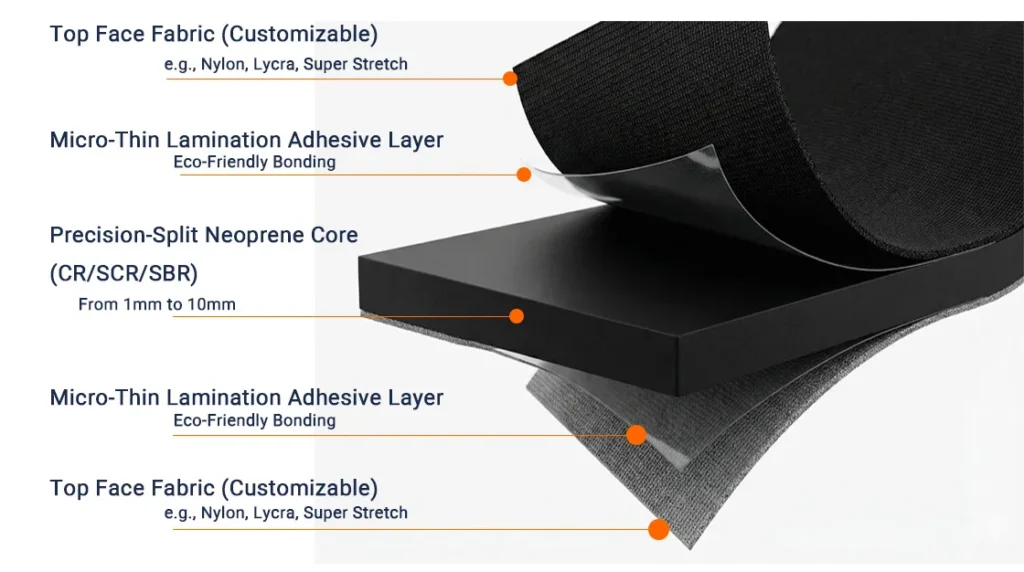
Instead of generic “versatile” claims, here are the specific properties that matter to OEM buyers:
| Property | What it means in production | Industries that rely on it |
|---|---|---|
| Closed-cell foam | Does not absorb water, resists mildew | Water sports, cooler bags, outdoor gear |
| Elastic recovery | Stretches and returns to original shape | Braces, straps, fitted covers |
| Cushioning without bulk | Protects against impact at low weight | Laptop sleeves, camera cases, knee pads |
| Thermal insulation | Slows heat transfer | Lunch bags, wetsuits, medical wraps |
| Lamination-friendly | Bonds to nylon, polyester, jersey | Branded bags, sublimated products |
Bags and sports protective gear account for about 70% of our inquiries.
For a deeper dive, see our Neoprene Thickness Guide.
Neoprene in Sports and Outdoor Gear
Sports support products (braces, straps, waist supports)
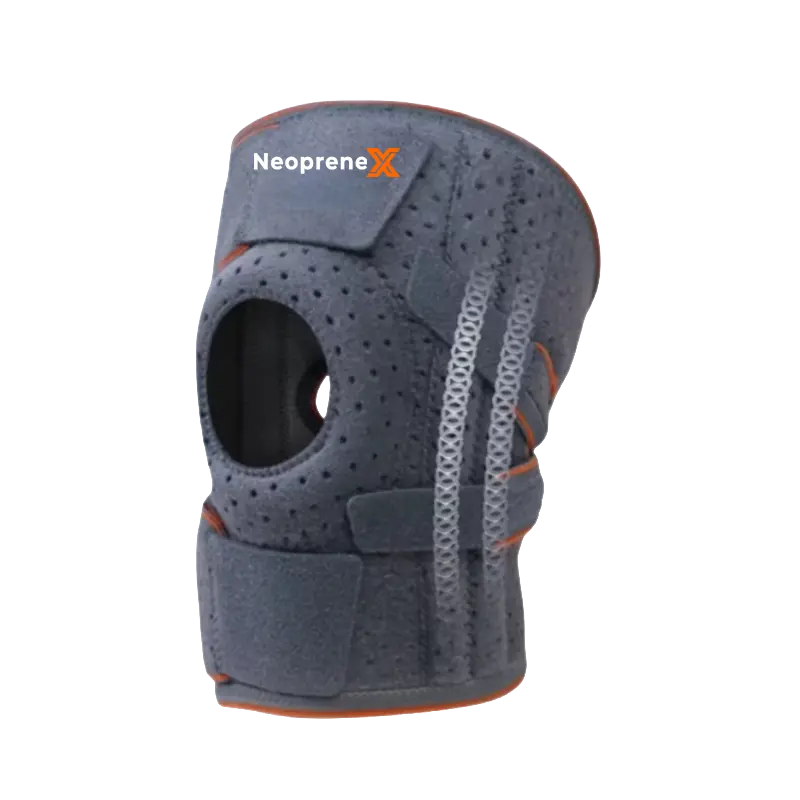
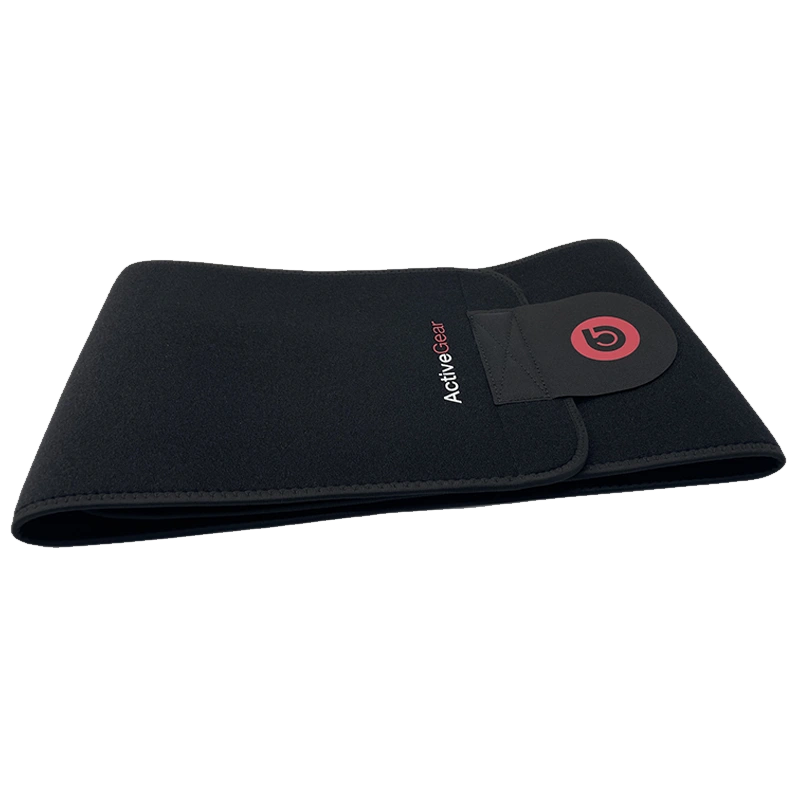
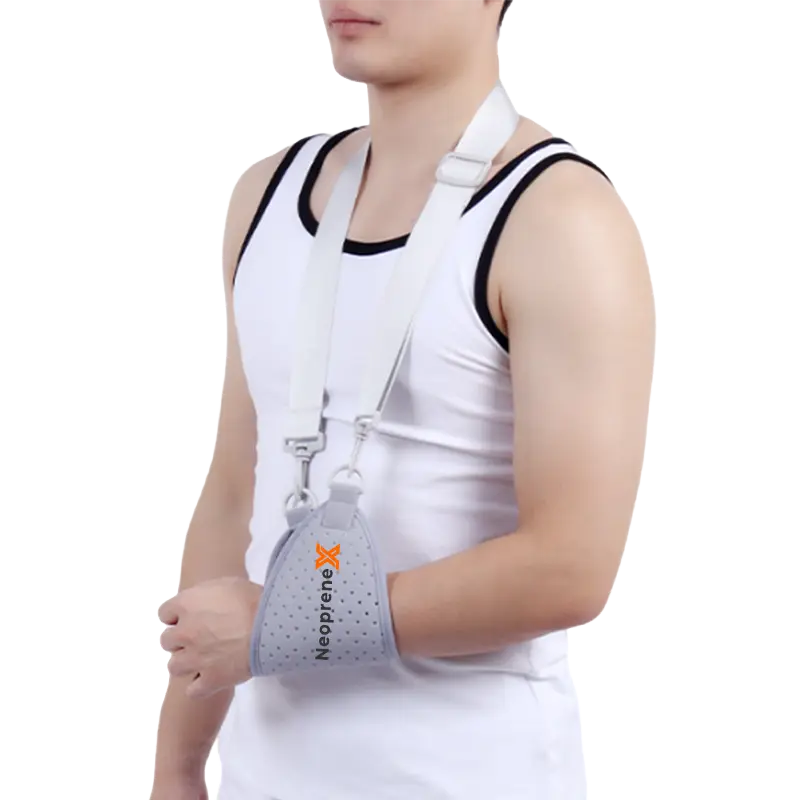
Why neoprene?
Provides mild compression, retains body heat to loosen muscles, and stays flexible after repeated bending.
Typical specs:
- Thickness: 3mm (wrist/ankle) to 5mm (knee/thigh)
- Surface fabric: Nylon jersey on both sides for skin contact
- Density: Medium‑firm (support without chafing)
Common OEM mistake:
- Using too soft a density → the brace stretches out within weeks. Always request a stretch retention spec.
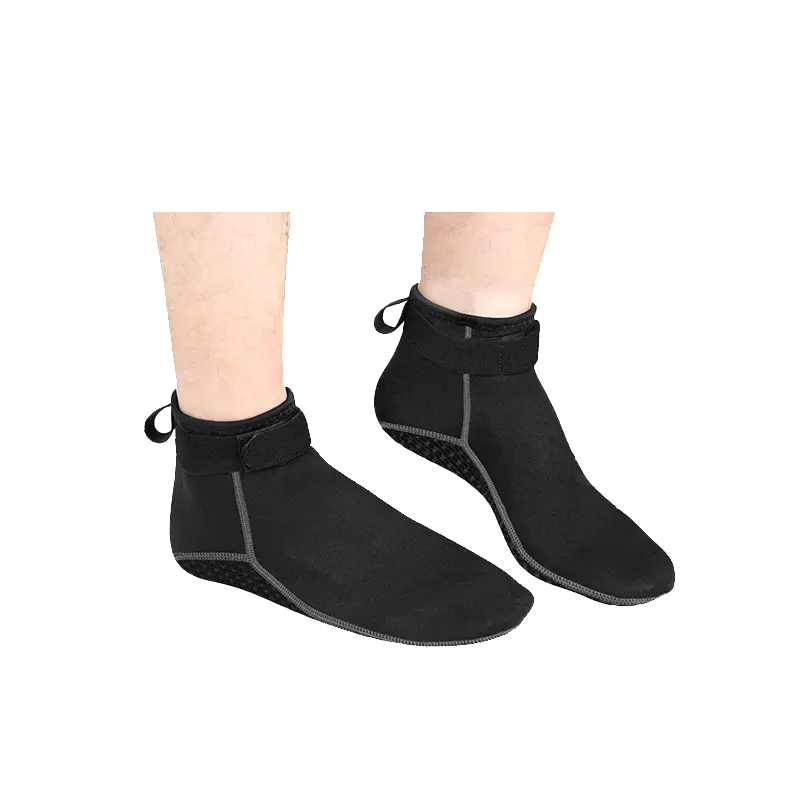
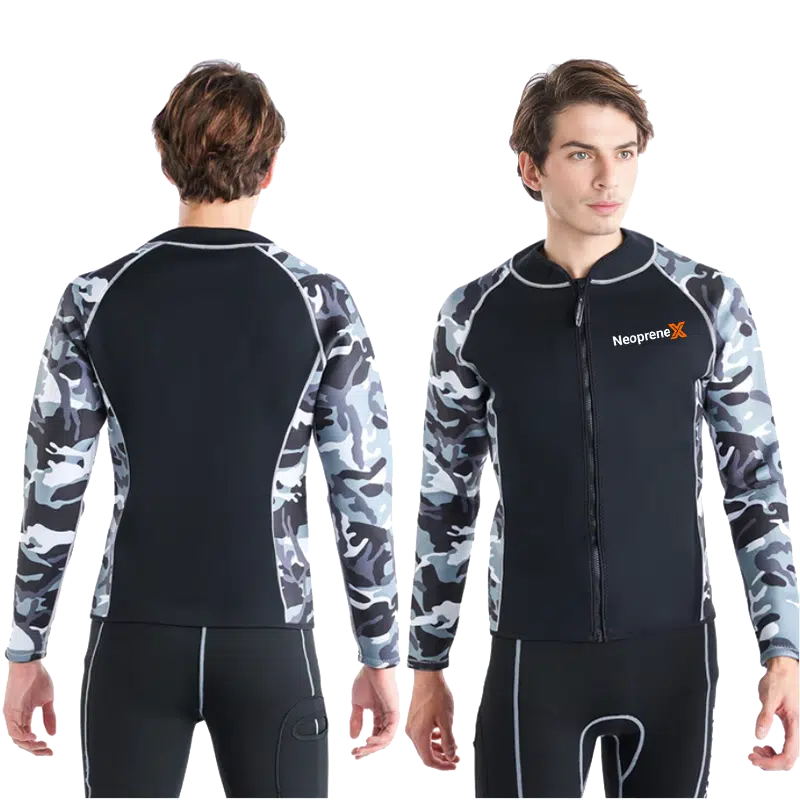
Water sports products (wetsuits, gloves, dive boots)
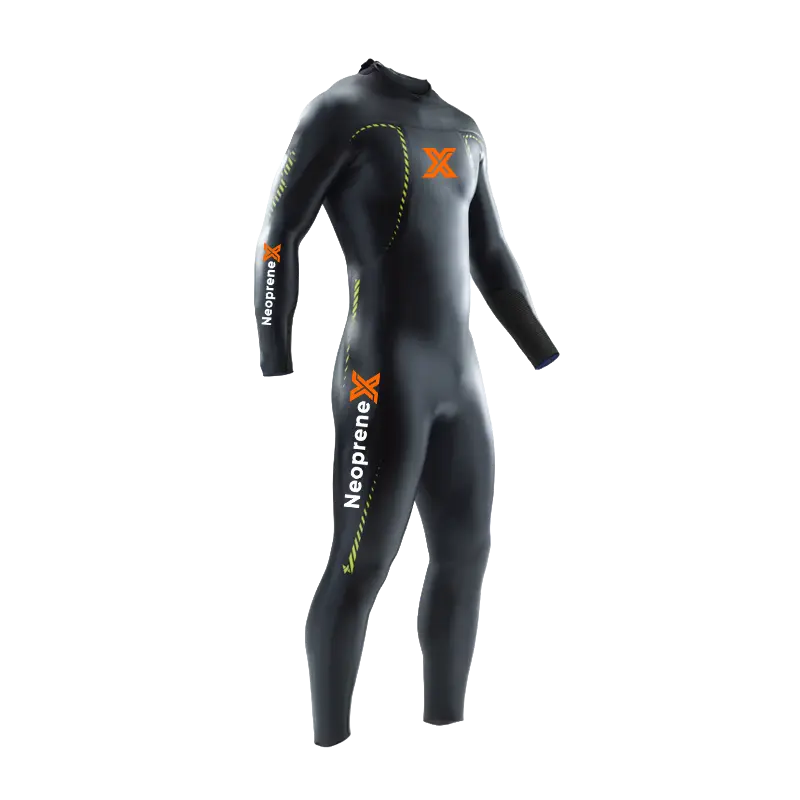
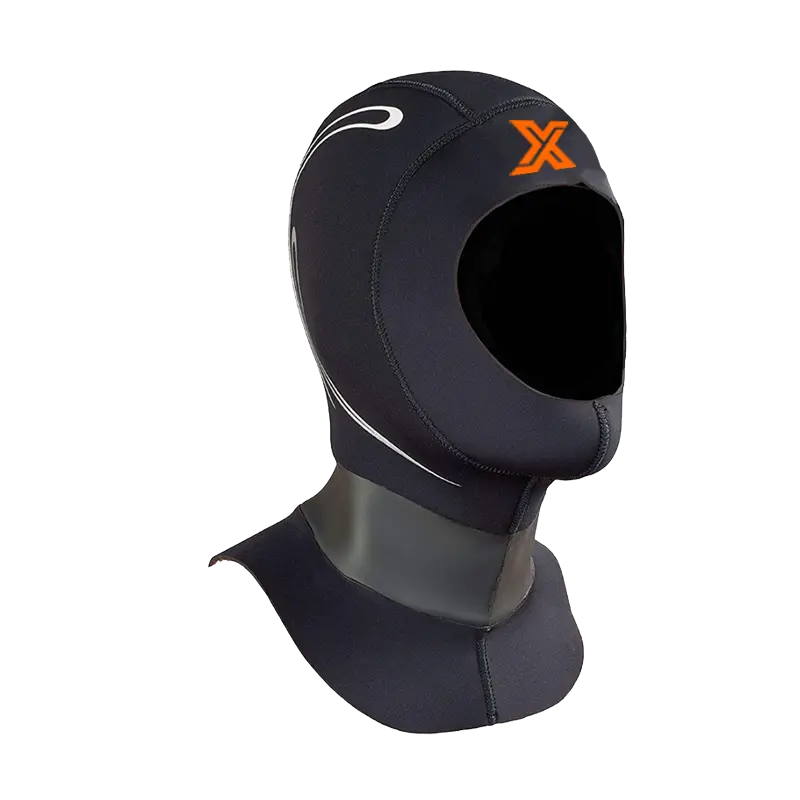
Why neoprene?
Insulates even when wet, and provides high stretch for mobility.
Typical specs:
- Thickness: 2mm (tropical gloves) to 7mm (cold‑water wetsuits) – usually paneled
- Surface fabric: Spandex/nylon outside + smooth‑skin (optional titanium coating)
- Construction: Limestone‑based neoprene is more flexible and has less odor
Sourcing note:
- For wetsuits, thickness is not uniform. Make sure your supplier can do variable‑thickness lamination (e.g., 5mm chest, 3mm underarms).
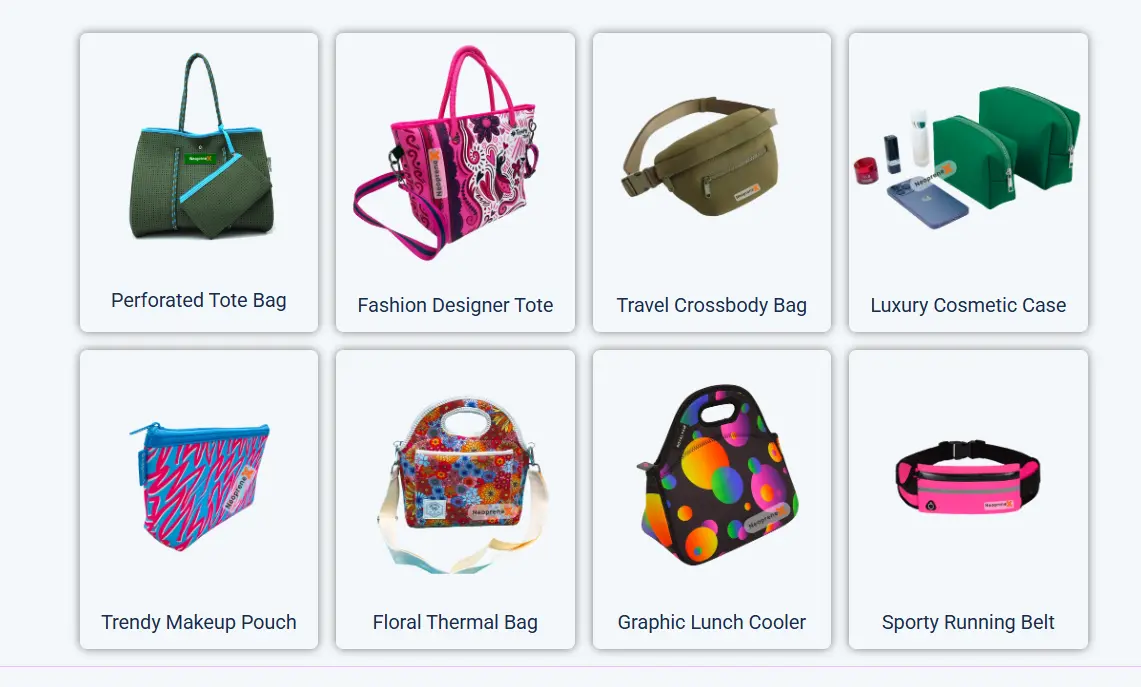
Neoprene in Bags and Protective Cases
Laptop sleeves and tablet covers
Why neoprene?
Shock absorption + scratch resistance + thin profile.
Typical specs:
- Thickness: 3mm is most common (2mm too flimsy for 15″ laptops; 5mm adds unnecessary bulk)
- Surface fabric: Polyester or nylon oxford for abrasion resistance; jersey for soft touch
- Lamination: Single‑sided or double‑sided
Hidden issue
- Cheap neoprene can have uneven thickness (±0.5mm). For a tight‑fit sleeve, demand ±0.2mm tolerance.
Camera cases and electronic organizers
Why neoprene?
Dampens vibration and protects from light impacts.
Typical specs:
- Thickness: 4–5mm for heavy lenses; 3mm for accessories
- Surface: Anti‑static or low‑lint coating for delicate optics (rare, but some high‑end brands ask)
OEM tip
- Ask for compression set data (<15% after 24h at 70°C) to ensure the padding does not flatten over time.
Travel and storage products
Why neoprene?
Lightweight, compressible, and protects contents from scratches.
Typical specs:
- Thickness: 3mm for organizers; 4–5mm for checked luggage accessories
Neoprene in Medical and Support Products
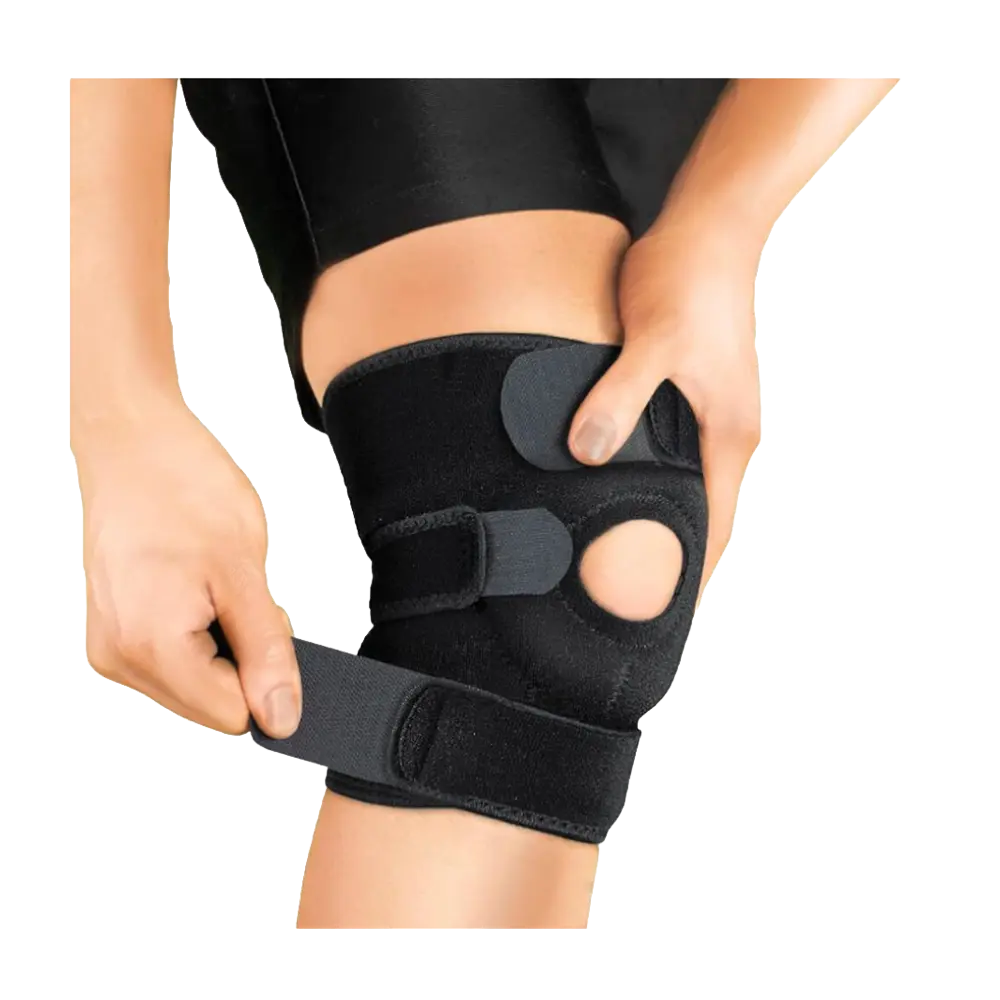
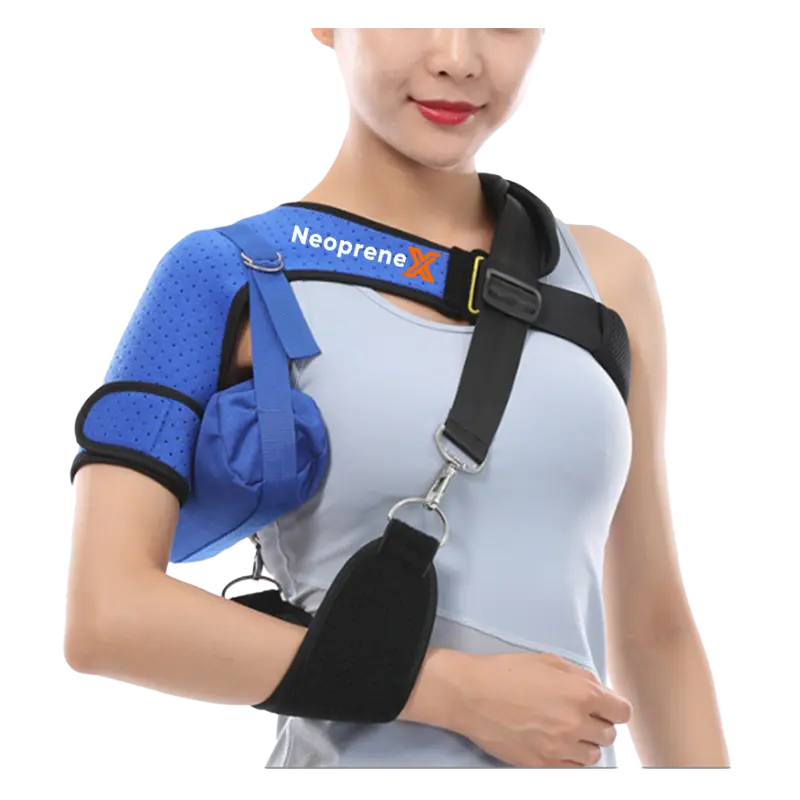
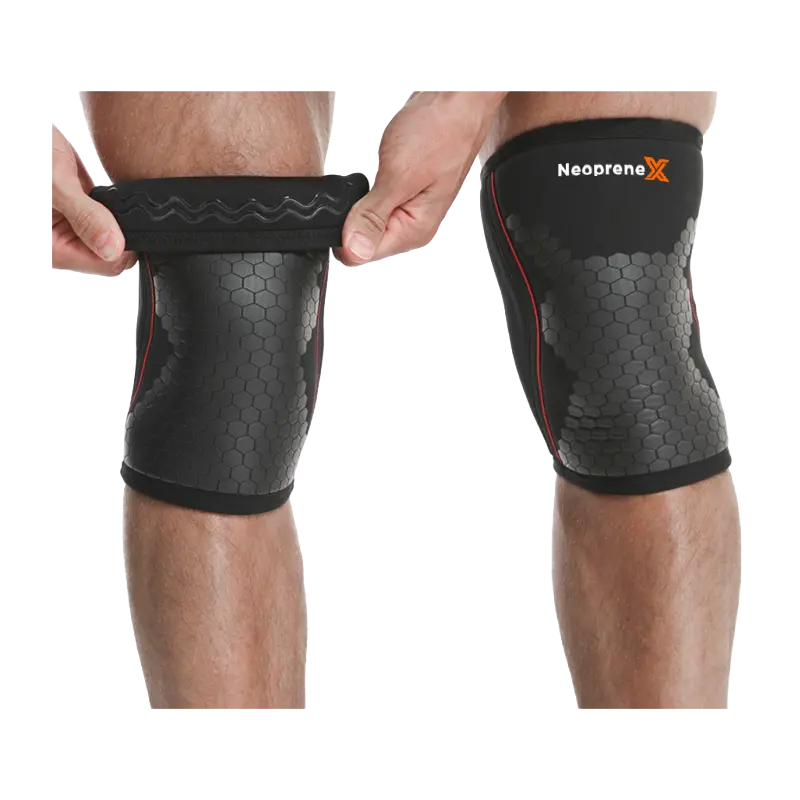
Braces (knee, ankle, wrist, back)
Why neoprene?
Heat retention helps reduce joint stiffness; consistent pressure improves proprioception.
Typical specs:
- Thickness: 2.5–3mm for light support; 4–5mm for rigid support with plastic stays
- Surface fabric: Nylon terry or cotton blend (hypoallergenic)
- Special requirement: Latex‑free certificate (many neoprene lines also handle latex)
Medical note
- For CE or FDA‑marked products, request ISO 10993 skin irritation testing.
Neoprene in Automotive and Industrial Uses
Automotive protective covers (battery sleeves, tool wraps, interior padding)
Why neoprene?
Oil resistance, flame retardancy (if formulated), and vibration damping.
Typical specs:
- Thickness: 3–10mm depending on need
- Surface: Sometimes un‑laminated raw foam for grip
- Additives: UV stabilizers (for exposed parts), FR additives (UL94 rating)
Industrial warning
- Many “neoprene” sheets are actually SBR/CR blends. Specify 100% CR if you need true oil/chemical resistance.
Industrial protection (pads, covers, gaskets)
Why neoprene?
Compression set resistance and durability under heavy loads.
Typical specs:
- Thickness: 5mm or thicker
- Density: High – firm support
How to Choose the Right Neoprene Type for Each Industry – Quick Matrix
| Your product category | Start thickness | Surface fabric priority | Critical test to ask |
|---|---|---|---|
| Sports brace | 3–5mm | Soft jersey | Stretch retention |
| Laptop sleeve | 3mm | Nylon (abrasion-resistant) | Thickness tolerance |
| Wetsuit | 2–7mm paneled | Spandex + smooth-skin | Cold-water flexibility |
| Medical brace | 3mm | Hypoallergenic fabric | Latex-free / ISO 10993 |
| Industrial pad | 5–10mm | Un-laminated or heavy fabric | Compression set / oil resistance |
To get a full understanding of neoprene fabric purchasing options, please read the article: How to Choose Neoprene Fabric for OEM and Wholesale.
FAQ
Sports (braces, wetsuits) and bags (laptop sleeves, cases) account for the largest volume. Medical and industrial are smaller but higher‑value segments.
Technically yes, but practically no. A brace needs stretch recovery and skin‑safe fabric; a sleeve needs cut‑edge sealing and abrasion resistance. Trying to use one material for both usually fails in one application.
Standard neoprene is not food‑grade. For lunch bags, the food‑contact layer should be a separate FDA‑approved lining. Neoprene itself acts only as insulation.
Limestone neoprene is more flexible and has less odor – preferred for wetsuits and high‑end consumer goods. Petroleum‑based is slightly less expensive and works for industrial applications where flexibility is less critical.
Conclusion
Neoprene is a flexible material that serves many industries, but the right choice always depends on the application. Start with your end product, match thickness and surface fabric to its real use conditions, and always test a sample in your actual production workflow
Need a neoprene recommendation for a specific industry – sports, bags, medical, or industrial?
Contact Neoprenex – send your spec sheet or product sketch. We will reply with thickness, surface fabric, color, MOQ, and delivery options tailored to your project.